Transforming Water Treatment with Remote Monitoring
Enhancing Efficiency and Safety
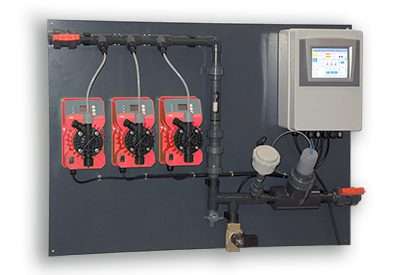
In the realm of water treatment, the integration of remote monitoring solutions has revolutionised operational efficiency and safety. At Sci-Tech Water Treatment Ltd, based in Sheffield, we understand that the ability to monitor water quality and system performance in real-time is critical to managing resources effectively. Remote monitoring technologies facilitate precise data tracking, enabling our team to perform predictive analytics that significantly improve performance metrics and decision-making processes. These advancements not only streamline water management practices but also mitigate potential risks associated with water quality issues. By harnessing the power of real-time data, our experts can proactively address any anomalies, ensuring compliance with regulations and safeguarding the health of both the environment and public.
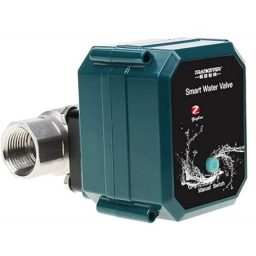
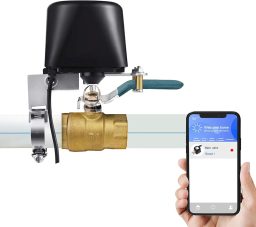
Remote Flushing of Little-Used Outlets & Remote Monitoring Equipment
Overview:
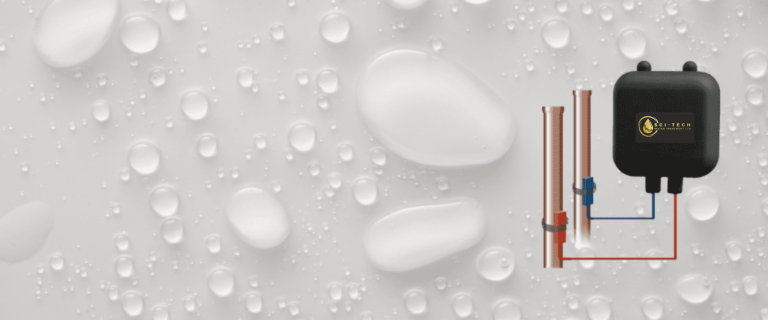
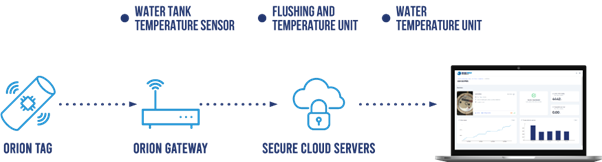
Remote flushing systems automatically purge stagnant water from low-use outlets (e.g., rarely used taps, showers, or dead legs) to maintain safe temperatures and prevent Legionella proliferation. These systems often integrate with smart building platforms and remote monitoring dashboards.
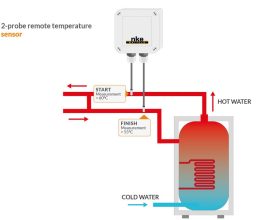
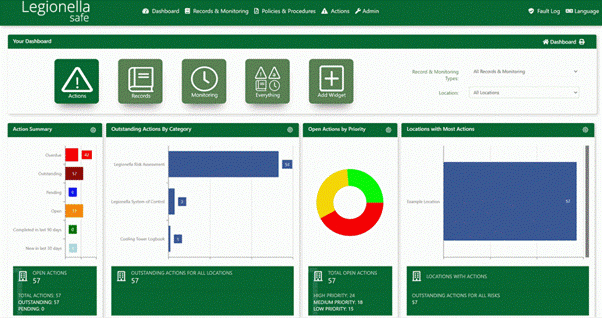
Remote hot and cold water monitoring equipment provides real-time insights into temperature and flow data at critical points, ensuring compliance with control parameters and helping identify anomalies such as stagnation or insufficient circulation.
Key Benefits:
- Prevents stagnation in seldom-used outlets.
- Maintains consistent water temperatures within safe limits.
- Enables data-driven Legionella control with automated interventions.
- Reduces manual flushing and associated labour/time costs.
- Supports ACoP L8 and HSG274 compliance for routine monitoring.
Considerations:
- Requires system mapping and sensor placement planning.
- Integration with building management systems may add cost.
- Periodic maintenance to ensure valve and actuator performance.
- Network connectivity and data security must be maintained.
Transforming Water Treatment with IoT
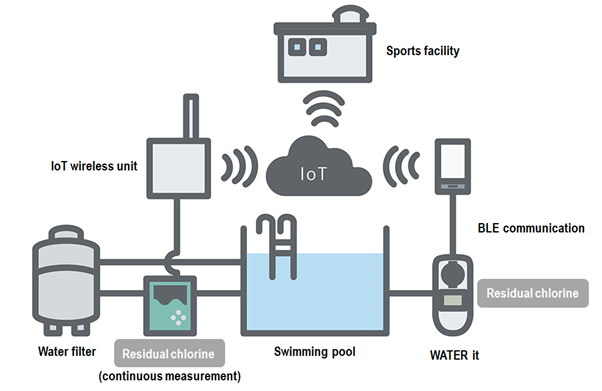
In an era where technology meets environmental needs, Sci-Tech Water Treatment Ltd is at the forefront of innovating water management through advanced IoT solutions. Our commitment to utilising cutting-edge technology allows for real-time monitoring of water systems, drastically improving the efficiency and effectiveness of water treatment processes.
The Power of Predictive Analytics
Harnessing predictive analytics, we empower our clients to anticipate potential water quality issues before they arise. This proactive approach not only ensures compliance with regulatory standards but also promotes sustainability by optimising resource usage and reducing waste.
Rapid Detection and Response
Our remote monitoring systems are engineered to provide instantaneous data on water quality parameters. This enables swift detection of contaminants and allows for immediate corrective actions, thereby safeguarding public health and environmental integrity.
Limitations
- Reliability and calibration of sensors (false alarms or missed events).
- Data integration: many buildings have complex plumbing, multiple zones; you must ensure sensors cover critical points.
- Data security, connectivity reliability, battery life.
- Analytics are only as good as the data and the system interpretation: you still need good risk management protocols.
Sustainable Treatment Solutions
At Sci-Tech Water Treatment Ltd, we believe that sustainable practices are non-negotiable. By integrating advanced technology into everyday operations, we not only enhance the reliability of water treatment but also contribute to the conservation of precious water resources for future generations.
Join the Revolution
We invite you to explore how our innovative solutions can transform your water treatment processes. Partner with Sci-Tech Water Treatment Ltd and be part of the revolution that is setting new standards in the water management industry.
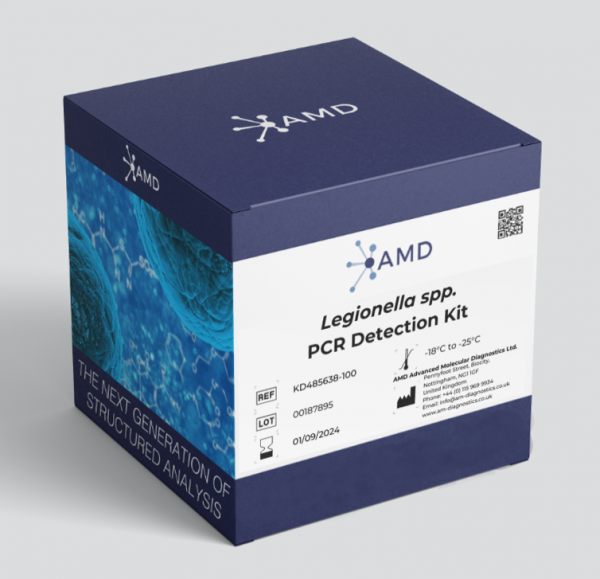
Rapid Legionella Test Kits
What it does:
- New methods aimed at detecting Legionella pneumophila (and potentially other Legionella species/biofilm hosts) more rapidly than traditional culture methods.
- Use of molecular methods (PCR, DNA/RNA detection) or biosensors / microfluidics for on-site or near real-time measurement.
- Potential for detecting biofilm presence, host amoebae, or early warning indicators rather than waiting for high bacterial counts.
What to watch/limitation:
- Validation/acceptance: many rapid methods may detect DNA (dead cells) rather than live viable bacteria — interpretation is key.
- Sampling remains a challenge (where to sample, how often).
- Cost per test, maintenance, calibration.
- Regulatory/standard alignment may lag behind commercial availability.
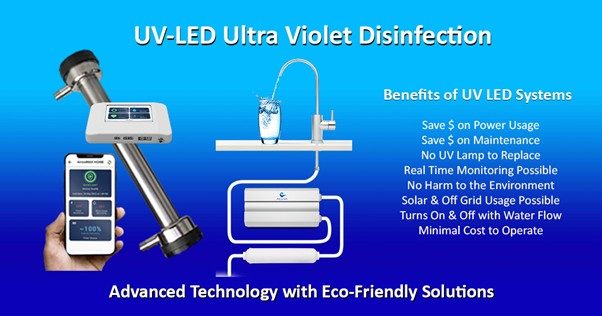
UV-LED Disinfection
What it does:
- UV-C LED: Using advanced LED sources (instead of traditional mercury UV lamps) for disinfection of plumbing or risers. Lower energy, on-demand switching, less heat generation.
- Mixed oxidants / onsite oxidant generation: Disinfectants generated on-site (chlorine/hypochlorite + other oxidants) that can address biofilms and pathogens.
- Electrochemical / non-chemical treatments: E.g., methods that use pulsed-power electromagnetic fields in water systems to reduce biofilm/scaling and microbial counts without (or with lower) chemical usage.
What to watch/limitation:
- Treatment efficacy depends on system hydraulics, water quality, flow patterns, biofilm load.
- Certain methods may have high initial cost/retrofit complexity.
- Maintenance and proof of long-term performance needed.
- For chemical methods: residuals, by-products, regulatory acceptance, corrosion issues.
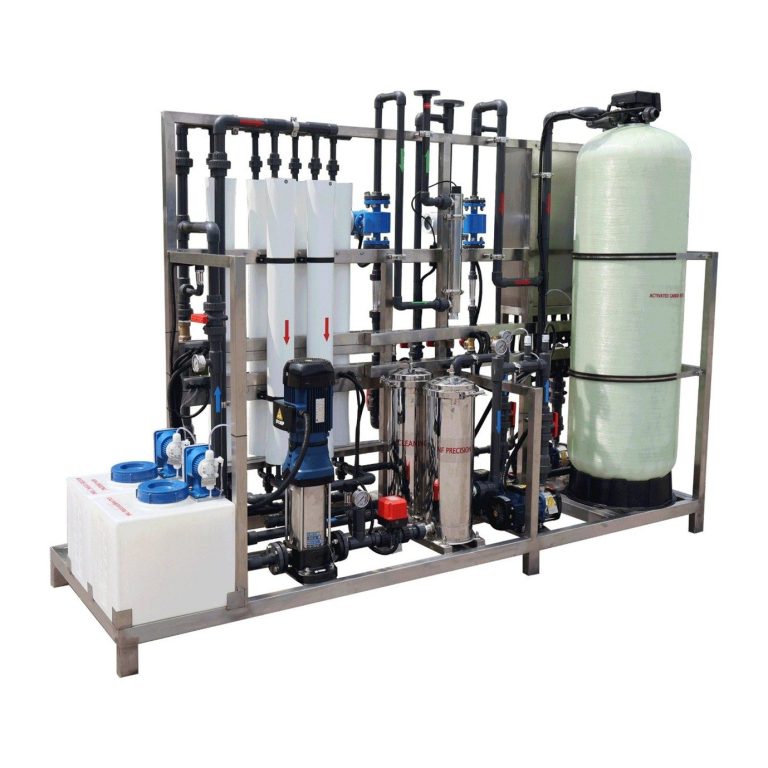
Nanotechnology Filtration
What it does:
- Use of advanced filters (e.g., carbon nanotube filters, nanofiber membranes) to physically remove bacteria or disrupt biofilm matrix.
- Materials/coatings for internal plumbing surfaces (antimicrobial, anti-biofilm) to reduce harbourage of Legionella.
- Nanotechnology approaches aimed at more effective removal of contaminants including bacteria, heavy metals, biofilms.
What to watch/limitation:
- Membrane fouling, maintenance, replacement costs.
- Retrofitting existing plumbing may be disruptive.
- The material/coating durability and compatibility with water chemistry must be validated.
- Filtration/coatings alone are unlikely to solve risk unless system design, hydraulics and temperature control are also addressed.
Multi-Barrier Systems
What it does:
- Emphasises layered control: combination of design (dead-leg removal, loops, hydraulics), monitoring (sensors/IoT), and advanced treatment technologies all working together.
- Sustainable approaches: solutions that align with energy/carbon reduction — e.g., lower temperature regimes + advanced disinfection, or UV-LED rather than constant high-temperature regimes.
- Automated flushing of seldom-used outlets, smart flow control, remote management.
What to watch/limitation:
- Requires organisational and operational coordination (engineering, facilities, water hygiene).
- Budgeting across multiple: sensors + treatment upgrades + management systems.
- ROI may be longer-term; risk reduction is probabilistic (you reduce risk, not eliminate it entirely).
- Integration of new tech into existing legacy infrastructure may be complex.
Innovative Approaches to Water Treatment
At Sci-Tech Water Treatment Ltd, we are at the forefront of pioneering techniques that redefine the standards of water treatment. We focus on the latest advancements in chemical-free and reduced-chemical methods, which not only contribute to effective water management but also promote environmental sustainability. Our commitment to innovation guarantees that our clients benefit from the most advanced technologies available.
Chemical-Free Water Treatment
Our approach to chemical-free treatment utilises natural processes and advanced technologies that eliminate the need for harmful chemicals. By harnessing natural bio-remediation processes, we ensure that water quality is improved whilst safeguarding local ecosystems.
Biofilm Removal & Control
A significant focus of our treatment methods is on biofilm control. Biofilms can lead to decreased efficiency and increased maintenance costs in water treatment systems. Our innovative techniques effectively manage biofilm growth, enhancing the longevity and performance of water treatment installations.
Advanced Material Utilisation
We leverage cutting-edge materials to improve water treatment efficacy. These advanced materials significantly enhance the filtration and purification processes, ensuring that our treatments meet the highest standards of water purity while minimising chemical usage.
Eco-Friendly
Sustainable Practices
In our quest to maintain environmental sustainability, all our methods are developed with ecological considerations at the forefront. We strive to provide solutions that not only benefit our clients but also protect the environment for future generations.